

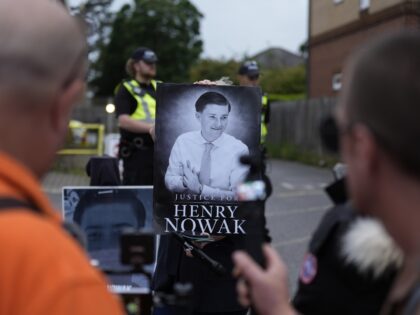
When police officers slapped the cuffs on 17-year-old Henry Nowak, they treated his frantic claim that he had been stabbed as little more than teenage drama, only to discover nearly eight minutes later that he was bleeding out from multiple wounds. That delay turned what should have been a rapid medical hand-off into a grim race against time, and it underscores a hard truth the 2A community has long understood: when seconds count, the people carrying the badge are often minutes behind. Nowak’s case is not an isolated lapse; it is another data point in a pattern where reliance on “call 9-1-1 and wait” leaves citizens vulnerable long after the threat has already struck.
The deeper implication is that defensive tools and training matter precisely because official response times remain stubbornly elastic. A lawfully armed citizen who recognizes an active threat can end it in the moment rather than hoping the next patrol car arrives before the next knife thrust. Training, mindset, and the legal right to carry give individuals the ability to compress that deadly interval between attack and intervention—something no policy memo or body-cam footage can retroactively provide once the damage is done.
For the broader pro-2A argument, stories like Nowak’s quietly dismantle the comforting narrative that dialing emergency services is a complete safety plan. They remind us that the Second Amendment is not merely about sport or tradition; it is a practical acknowledgment that government protection is a promise, not a guarantee, and that the right to keep and bear arms exists to bridge the gap when that promise falters.


