

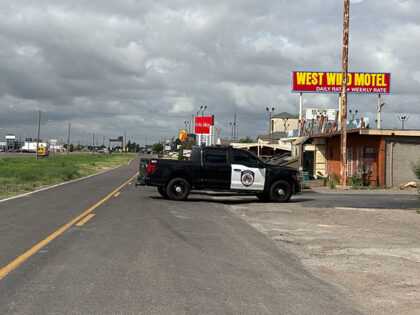
In the wake of the Midland standoff, the familiar cycle of rushed narratives is already spinning, with media outlets quick to spotlight the firearm while glossing over the shooter’s documented history of mental-health crises and prior law-enforcement contacts. Texas data shows that the vast majority of defensive gun uses—estimated by the CDC at roughly 500,000 to 3 million annually—never make headlines because they end quietly and lawfully, yet one tragic incident is leveraged to paint all gun owners as latent threats. This selective framing ignores that Midland, like most Texas cities, sits in a shall-issue carry state where millions of citizens exercise their rights daily without incident, underscoring that criminal behavior, not the mere presence of firearms, drives these events.
For the 2A community the takeaway is twofold: first, lawful carriers remain statistically the safest demographic on the street, and second, rushed “emergency” gun-control proposals rarely address the actual failure points—breakdowns in red-flag reporting, gaps in mental-health intervention, and prosecution rates for prohibited persons found with guns. Rather than expanding restrictions that law-abiding citizens already obey, the data argue for hardening soft targets, enforcing existing laws against violent felons, and preserving the individual right to effective self-defense. In short, Midland reminds us that policy should target predators, not penalize the prepared.


