

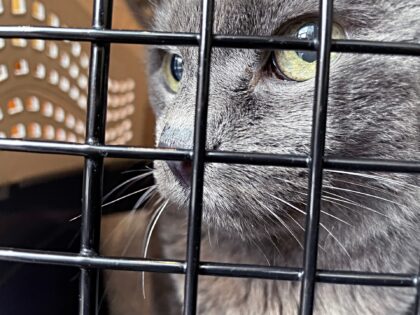
In a country where street food culture often blurs the line between delicacy and desperation, Vietnamese authorities just dismantled a cat-theft syndicate that had been funneling hundreds of household pets into the illicit meat trade. The seizure of more than 400 cats in Ho Chi Minh City isn’t merely an animal-welfare footnote; it exposes how quickly “resource scarcity” narratives can slide into outright predation on private property. When government enforcement is the only barrier between a family pet and someone’s dinner plate, the fragility of relying solely on the state for protection becomes glaringly obvious—especially to communities that already distrust centralized authority.
For Second Amendment advocates, the story carries an uncomfortable parallel: just as Vietnamese citizens watched their cats vanish into an underground economy, Americans have watched entire categories of self-defense tools disappear through regulatory creep and bureaucratic reclassification. Both situations hinge on the same principle—when individuals are stripped of the practical means to safeguard what is theirs, whether four-legged companions or constitutionally protected arms, the vacuum is filled by black markets and selective enforcement. The Vietnamese bust shows that even aggressive policing arrives after the damage is done; an armed, vigilant citizenry, by contrast, can deter theft before the police report is ever filed.
Ultimately, the episode underscores why the right to keep and bear arms is inseparable from the broader concept of self-reliance. A society comfortable with disarming its people is often equally comfortable redefining what counts as “property” worth defending. Whether the threat is a midnight intruder or a state-sanctioned supply chain that treats pets as protein, the lesson remains constant: rights exercised are rights retained, and rights surrendered rarely return without a fight.


