

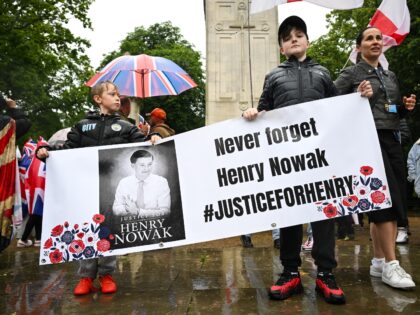
In the wake of Henry Nowak’s fatal stabbing, the police force’s reported impulse to flip the narrative—portraying the British teenager as the aggressor while preparing to scold the public about “misinformation”—lays bare a troubling pattern: when the state controls the first draft of events, truth becomes a managed commodity rather than an objective fact. The Times of London’s reporting suggests officers were more concerned with shaping public perception than with transparently establishing what actually happened, a reflex that chills any community already skeptical of official accounts. For Americans who value the Second Amendment, this episode is a stark reminder that the right to keep and bear arms exists precisely because citizens cannot always count on authorities to tell the story straight or to arrive in time to prevent harm.
The deeper implication is that an unarmed or disarmed populace is doubly vulnerable—first to predators, then to bureaucratic revisionism that shields institutional mistakes. When police prioritize narrative control over evidence, the case for responsible, law-abiding citizens retaining the means of immediate self-defense grows stronger, not weaker. The Nowak tragedy, refracted through the lens of attempted spin, underscores why the 2A community continues to insist that the individual right to arms is not merely about sport or tradition, but about preserving an unmediated capacity to protect life when seconds count and official stories may lag or mislead.


