

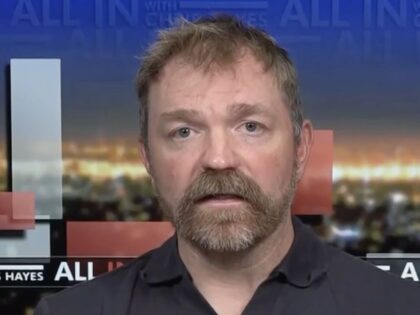
Graham Platner’s swift dismissal of the New York Times reporting as “not true” and “politically motivated” lands like a classic damage-control volley, but the timing and the specifics matter more than the denial itself. The allegations—claims of physical aggression paired with the assertion that he knew the origins of a tattoo tied to Nazi iconography—cut straight to the character questions voters are already weighing in a race that could flip a Senate seat. For the 2A community, the episode is a reminder that candidates who court progressive donors while courting gun owners often end up juggling incompatible narratives; when one thread frays, the whole tapestry risks unraveling before Election Day.
What makes this story especially instructive is how quickly the “I didn’t know” defense collides with the lived experience of gun owners who have spent years watching symbols and rhetoric get weaponized against them. A tattoo that references extremist iconography isn’t a wardrobe malfunction; it’s a permanent choice that invites scrutiny, and the suggestion that Platner was unaware of its meaning strains credulity in an era when every pixel of a candidate’s past is magnified. Meanwhile, the physicality allegations, if substantiated, reinforce a pattern progressives have long applied to their opponents—portraying gun owners as inherently violent—while shielding their own from equivalent examination. The 2A community has every reason to treat such contradictions as disqualifying rather than dismissible.
The larger implication is that 2026 and beyond will test whether candidates can maintain the fiction that they are simultaneously pro-Second Amendment and aligned with factions that view the right as suspect. Platner’s response may satisfy the base that already distrusts the Times, but it leaves swing voters and gun owners with a simple calculus: character still counts, and symbols still carry weight.


