

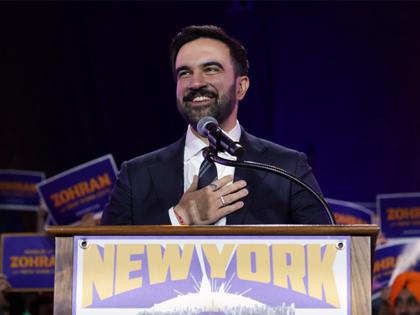
Zohran Mamdani’s daily “freshening” of his political theater is more than a performance—it’s a calculated escalation that keeps his base energized while normalizing policies that treat private gun ownership as a public nuisance. By framing every new proposal as a bold act of social justice, he converts routine anti-Second Amendment measures—expanded red-flag laws, “sensitive location” bans, and micro-stamping mandates—into must-see political drama. The result is a feedback loop: each fresh outrage draws cheers from the crowd and inches the Overton window leftward, making yesterday’s radical idea today’s moderate compromise.
For the 2A community, the danger lies less in any single bill than in the momentum Mamdani is building. When a rising star packages confiscatory policies as entertainment, donors, media, and even moderate Democrats feel pressure to applaud or stay silent. That applause legitimizes the next round of restrictions, from registration schemes dressed up as “universal background checks” to liability traps aimed at FFLs. Once normalized on the New York stage, these ideas travel; California and Illinois have already borrowed language from earlier Mamdani-style trial balloons, and national Democrats are watching the metrics.
The practical takeaway is that rights advocates can no longer treat cultural theater as background noise. Every time Mamdani “freshens the show,” the script adds another scene in which lawful gun owners are cast as villains. Counter-programming means documenting the real-world consequences—defensive gun uses that never make the highlight reel, small businesses shuttered by compliance costs, and the quiet migration of skilled workers out of states that follow his lead. If the Left’s daily drama is designed to make infringement feel inevitable, the only antidote is a narrative that keeps reminding audiences the Second Amendment was written precisely to survive this kind of political performance.


