

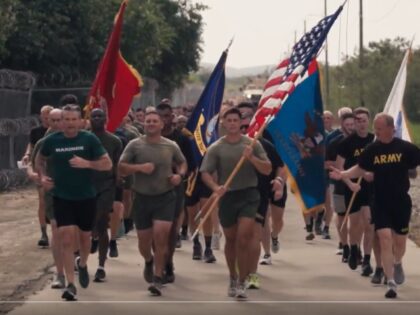
Pete Hegseth’s unannounced visit to Guantánamo Bay wasn’t just another photo-op for a political appointee—it was a deliberate signal that the new Secretary of War intends to stand shoulder-to-shoulder with the troops who actually execute policy rather than merely announce it. By training alongside the very units tasked with holding the line in one of the most scrutinized detention facilities on earth, Hegseth sent an unmistakable message: the civilian leadership at the Pentagon is no longer content to issue orders from climate-controlled offices while the rank-and-file absorb the political fallout. For Second Amendment advocates, the optics matter. A former combat veteran and outspoken defender of the individual right to keep and bear arms now occupies the office that controls training standards, rules of engagement, and equipment procurement; when that same official spends his first weeks in office sweating through drills with deployed troops, it reinforces the idea that the people who understand firearms best are finally the ones shaping policy.
The deeper implication is cultural. For years the 2A community has watched as senior defense officials treated the military’s marksmanship culture as an afterthought or, worse, a liability to be managed. Hegseth’s presence at Gitmo flips that script. It tells career officers and NCOs that proficiency with a rifle is once again a core leadership credential rather than a box to be checked before the next diversity briefing. That shift ripples outward: better-trained troops mean clearer after-action reports on what works in real-world engagements, which in turn informs the civilian debate over magazine capacity, optics, and training requirements back home. When the Pentagon stops treating the Second Amendment as a political inconvenience and starts treating it as a professional standard, the entire ecosystem—from domestic carry laws to the regulatory treatment of braced pistols—benefits from the credibility of people who have actually used the tools in question.
Finally, the visit underscores a broader realignment between the armed forces and the armed citizenry. Trump’s “got your back” framing is not empty rhetoric when the man delivering it has already demonstrated he will physically show up where the mission is hardest. For gun owners who have spent the last decade defending their rights against bureaucratic mission-creep, seeing a Secretary of War prioritize combat effectiveness over political theater is both refreshing and strategically useful. It suggests that future policy fights—whether over suppressors, short-barreled rifles, or the definition of a militia—will be argued from a position of institutional strength rather than defensive crouch. In short, Hegseth’s training session at Guantánamo is less about one base visit and more about resetting the default assumption that the people who wrote the Constitution’s second article meant what they said.


