

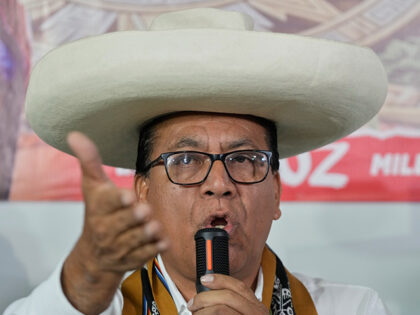
Peru’s slow-motion election drama is turning into a textbook case of what happens when radical leftists lose at the ballot box and immediately pivot to undermining the results. Roberto Sánchez, a hard-left lawmaker running on a platform of wealth redistribution and state control, has already declared he won’t accept Keiko Fujimori’s apparent victory, even while votes are still being tallied. This isn’t just sour grapes; it’s a deliberate strategy to delegitimize a conservative outcome and keep the country in perpetual political crisis, a tactic that has become depressingly familiar across Latin America whenever voters reject socialist promises.
For the 2A community, the stakes are crystal clear. Fujimori’s father, Alberto, governed with a tough-on-crime approach that included arming citizens and cracking down on Shining Path terrorists; his daughter has signaled continuity with pro-security policies that implicitly respect the right of law-abiding Peruvians to defend themselves. Sánchez’s faction, by contrast, draws from the same ideological well as Venezuela’s Chavistas and Nicaragua’s Sandinistas—regimes that systematically disarmed civilians while consolidating power. If Sánchez and his allies succeed in casting doubt on Fujimori’s win, they could trigger street violence, judicial maneuvering, or even a repeat of the 2021 election chaos that already chilled investment and gun-ownership stability in the region.
The broader implication is that every contested conservative victory in Latin America is now a live-fire test of whether democratic norms or revolutionary veto power will prevail. When leftist candidates pre-announce they will not recognize results, they are telegraphing that the Second Amendment’s philosophical cousin—the natural right of self-defense—is also on the table. American gun owners watching this unfold should recognize the pattern: erode trust in elections, destabilize institutions, then move quickly to restrict the tools citizens need to protect themselves when those institutions fail.


