

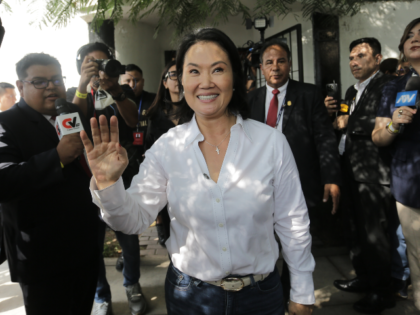
Peru’s presidential election saga took a chaotic turn as authorities stretched voting into Monday amid logistical meltdowns—closed polling stations, disenfranchised voters, and a fog of uncertainty hanging over the results. With leftist firebrand Pedro Castillo’s camp crying foul and demanding recounts, the spotlight shines on conservative frontrunners Keiko Fujimori and Rafael López Aliaga, both projected to advance to a June runoff. Fujimori, daughter of the iron-fisted ex-president Alberto who crushed Shining Path insurgents in the ’90s, carries that legacy of mano dura security policies, while López, a Trump-esque businessman with U.S. ties, rails against socialism and champions law-and-order crackdowns. This isn’t just Lima drama; it’s a South American bellwether where anti-leftist momentum echoes Brazil’s Bolsonaro era and Argentina’s Milei surge.
For the global 2A community, Peru’s ballot box battle packs serious implications. Fujimori’s family history includes arming civilians during Peru’s brutal Maoist insurgency, a nod to self-defense rights in chaos, and López has explicitly praised armed citizenry models from the U.S., positioning himself as a bulwark against narco-violence spilling from Colombia and Venezuela. A conservative runoff victory could turbocharge pro-gun reforms in a region where leftist regimes like Bolivia’s MAS disarm populations under public safety pretexts, fostering domino effects for 2A advocates pushing back against UN small arms treaties. Imagine a Fujimori-López duel amplifying calls for concealed carry amid rising cartel incursions—Peru’s 30+ million firearms in civilian hands (per Small Arms Survey data) already make it a Latin outlier, and their win might inspire neighboring gun-shy nations to rethink disarmament.
As results trickle in, 2A watchers should track this closely: a leftist steal via延ed counts risks street unrest and eroded trust in elections, mirroring U.S. 2020 flashpoints that galvanized pro-2A mobilization. Conservatives here aren’t just voting for policy; they’re defending the tools of sovereignty against collectivist overreach. Stay vigilant—Peru’s runoff could be the spark for a hemispheric right-wing renaissance, one bullet at a time.


