

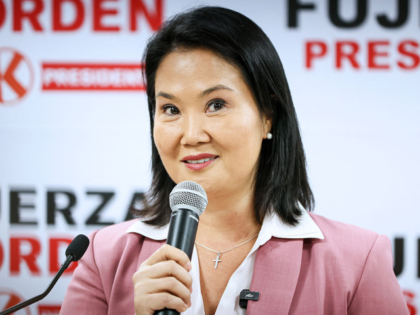
Peru’s drawn-out vote tally finally tilting toward Keiko Fujimori is more than a domestic political footnote; it signals a potential thaw in one of South America’s most restrictive firearms climates. Fujimori’s father, Alberto, governed during the brutal Shining Path insurgency and loosened some carry rules for citizens facing guerrilla threats, a precedent her campaign quietly echoed when it promised “citizen security without disarmament.” If she consolidates power, expect renewed pressure on Peru’s byzantine permitting system that currently funnels most civilian ownership into sporting shotguns and limits handguns to a narrow class of “extreme risk” applicants. For the U.S. gun-rights community watching hemispheric trends, the development offers a rare data point: when populist conservatives gain ground in Latin America, the Overton window on self-defense rights can shift faster than legacy media admits.
The ripple effects could travel north through both policy and narrative channels. A Fujimori administration might quietly expand reciprocity talks with neighboring Chile and Ecuador—both of which have flirted with constitutional-carry experiments—creating a patchwork of more permissive jurisdictions that challenges the region’s default “only the state protects you” model. Domestically, American gun owners who track import data will notice if Peruvian demand for U.S.-made defensive pistols and optics ticks upward, a tangible market signal that pro-2A analysts can cite when countering claims that “Latin America hates guns.” More broadly, the election underscores how electoral skepticism and slow counts are no longer anomalies but tools that can be weaponized against candidates who threaten entrenched anti-gun bureaucracies, a lesson U.S. activists would be wise to internalize ahead of 2024.


