

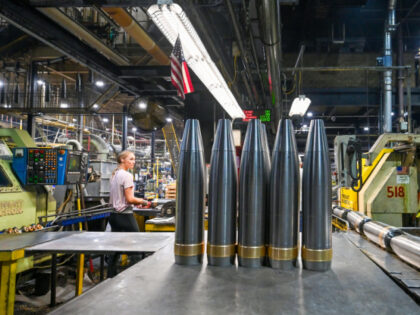
The Pentagon’s latest admission that some critical munitions have fallen below 50 percent of pre-war stockpiles is less a confession of weakness than a reminder that the U.S. defense industrial base is still running on a Cold-War-era throttle. Under Secretary Duffey’s breezy assurance that America can “defeat any threat at the time and place of our choosing” is technically true—today—but it hinges on the assumption that any future fight will be short, localized, and fought with the bullets already on the shelf. For Second Amendment advocates, the lesson is obvious: when the arsenal of democracy starts rationing 155 mm shells, the only truly surge-capable magazine is the one every law-abiding citizen keeps at home.
History shows that governments under sudden pressure tend to treat privately held arms and ammunition as a strategic reserve to be tapped, registered, or restricted; the same officials now fretting over replenishment timelines were, only months ago, floating ideas to limit .50 BMG and large-format magazines. A healthy domestic firearms industry and an armed populace act as both a hedge against foreign adventurism and a backstop against domestic overreach. If Washington truly wants “more,” the fastest way to expand capacity is not another five-year plan for state-owned plants but a policy environment that lets private producers scale without fear of tomorrow’s import ban or excise-tax hike.
Bottom line: the numbers coming out of the Pentagon are a wake-up call, not a surrender flag. They underscore why the right to keep and bear arms is inseparable from national resilience—because the first round fired in any future conflict may well come from a citizen’s safe, not a government warehouse that Washington already admits is half empty.


