

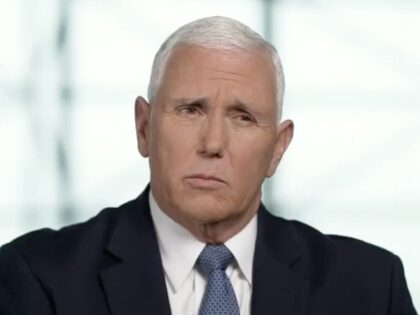
Former Vice President Mike Pence’s dismissal of the Trump administration’s $1.8 billion anti-weaponization fund as “deeply offensive” lands like a warning shot across the bow of the Second Amendment community. While Pence frames the initiative as an overreach, the fund’s purpose—countering the Biden-era practice of turning federal agencies into political weapons against gun owners, manufacturers, and lawful carriers—addresses a very real pattern of selective enforcement. From the ATF’s abrupt reclassification of pistol braces to the DOJ’s targeting of FFL dealers under novel “zero-tolerance” rules, the previous administration demonstrated how regulatory power can be aimed squarely at the right to keep and bear arms. Pence’s objection risks signaling that institutional discomfort with aggressive pushback matters more than restoring balance to an uneven playing field.
For the 2A community, the stakes extend beyond rhetoric. An anti-weaponization fund could underwrite legal defense for small manufacturers facing frivolous ATF inspections, support litigation challenging unconstitutional rules, and create rapid-response teams to document and publicize agency overreach before it metastasizes into nationwide policy. Critics on the left will inevitably label any such effort as “politicizing justice,” yet that argument collapses when one recalls how federal resources were already deployed to chill gun shows, monitor social-media posts about firearms, and pressure banks to de-bank lawful businesses. Pence’s stance may resonate with Never-Trump circles, but it leaves everyday gun owners wondering whether institutional Republicans will defend the right to arms or merely manage its managed decline.
The broader implication is a test of priorities heading into 2025: will the incoming administration treat the right to keep and bear arms as a core civil liberty requiring active protection, or will it defer to Beltway sensibilities that treat any robust defense as “offensive”? If the fund is allowed to wither under intra-party criticism, the message to federal agencies will be unmistakable—continue the slow squeeze on lawful gun ownership with little fear of consequence. Conversely, a well-executed initiative could reset the deterrence equation, reminding bureaucrats that weaponizing government against the Bill of Rights carries real institutional cost. For millions of Americans who view the Second Amendment as the guarantor of all others, that distinction is not academic; it is the difference between a right that exists on paper and one that can actually be exercised without fear of selective prosecution.


