

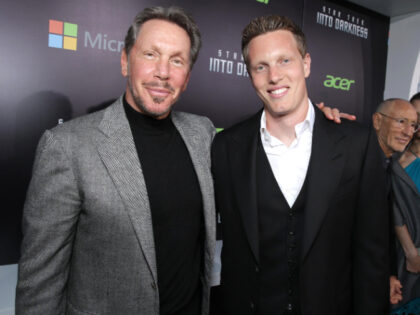
A Paramount shareholder’s lawsuit against Larry and David Ellison claims the pair cut a back-room deal with President Trump to green-light the studio’s takeover of Warner Bros. Discovery—an accusation that instantly raises eyebrows in an industry already famous for political horse-trading. The complaint paints the Ellisons as willing to trade regulatory favors for favorable coverage or, worse, for the quiet suppression of stories that could embarrass the administration. Whether the allegations hold water in court is secondary to the larger pattern they reveal: media consolidation is rarely just about market share; it is about narrative control, and the people who own the cameras also decide which stories get the spotlight and which get the cutting-room floor.
For Second Amendment advocates, the stakes are obvious. A handful of conglomerates already dominate the flow of information reaching tens of millions of households every night. If those same entities can be pressured—legally or otherwise—into muting coverage of ATF overreach, red-flag laws, or the next magazine-ban bill, the public square shrinks before our eyes. The Ellison-Paramount drama is a reminder that the fight for gun rights is also a fight for open channels of communication; when ownership structures invite political horse-trading, the risk is not only higher cable bills but a throttled pipeline of facts that voters need to hold lawmakers accountable.
The deeper implication is structural. As long as a few families or funds can tilt entire newsrooms with a phone call, legislative debates over suppressors, pistol braces, or interstate carry will be filtered through whatever editorial lens serves the parent company’s regulatory ambitions. That is why pro-2A voices have long argued for breaking up media monopolies and protecting independent platforms: the right to keep and bear arms is only as robust as the right to talk about it without corporate gatekeepers deciding which facts are fit to print.


