

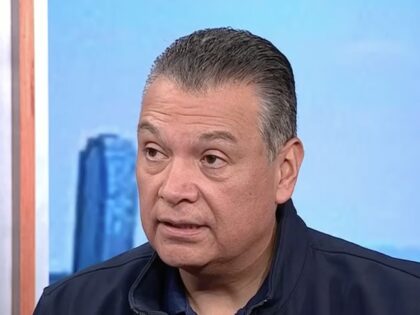
Sen. Alex Padilla’s quick endorsement of keeping impeachment on the table for President Trump is less about any new evidence of wrongdoing and more about locking in a permanent state of political warfare that sidelines every other issue—including the right to keep and bear arms. By echoing House Minority Leader Hakeem Jeffries, Padilla signals that Democrats intend to treat the next four years as an endless series of procedural ambushes rather than a mandate to govern, a strategy that historically crowds out substantive debate on magazine bans, red-flag laws, and ATF rulemaking. For the 2A community this means resources and attention that could have gone toward defending shall-issue carry or challenging pistol-brace rules will instead be consumed by yet another round of televised hearings and lawfare.
The timing is especially telling: Trump’s return coincides with a Supreme Court that has already shown willingness to scrutinize gun-control measures under the Bruen framework, yet Padilla’s rhetoric suggests Democrats would rather paralyze the executive branch than compete in that legal arena. Every hour spent litigating articles of impeachment is an hour the administration cannot devote to rolling back Biden-era pistol-brace restrictions or ATF “engaged in the business” rules that threaten private sales. Grass-roots groups already stretched thin by state-level magazine cases will now have to monitor both the courts and the Hill, diluting their impact at precisely the moment the pro-2A bench has its best shot at lasting precedent.
Ultimately, the threat functions as political deterrence: by keeping impeachment “on the table,” Democrats hope to chill any aggressive deregulation of firearms accessories or suppressors, betting that the mere specter of removal proceedings will make the White House cautious. The 2A community should treat this not as idle posturing but as a signal that the next battles will be fought on multiple fronts—legislative, regulatory, and now quasi-constitutional—and prepare accordingly by hardening legal defenses and state-level sanctuary statutes before the first subpoena is even drafted.


