

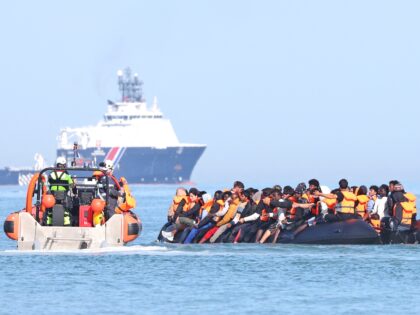
Over eight in ten British voters now believe their new Labour government is failing to secure the nation’s borders, a stunning rebuke that lands just weeks after Prime Minister Andy Burnham took office. The poll numbers reveal a public that is not merely dissatisfied but actively alarmed: small-boat crossings continue to surge, hotel accommodations for asylum seekers are stretching thin, and the Channel remains a porous gateway rather than a moat. Burnham’s early pledges of “compassionate enforcement” have so far translated into little more than bureaucratic reshuffling, leaving voters to wonder whether Labour’s progressive instincts will ever yield to the hard arithmetic of sovereignty.
For American gun owners watching from across the Atlantic, the lesson is as familiar as it is cautionary. When a government cannot—or will not—control its borders, the resulting disorder inevitably fuels calls for stricter domestic controls on the law-abiding. In Britain, that has historically meant tighter firearms restrictions, from the post-Dunblane handgun ban to the recent expansion of knife-crime “weapon sweeps.” The same political class that shrugs at illegal immigration often pivots to lecturing citizens about the supposed dangers of private firearm ownership, framing every crisis as proof that only the state can be trusted with force. The 2A community recognizes the pattern: erode national sovereignty first, then erode individual self-defense rights under the guise of restoring order.
The deeper implication is that secure borders and secure rights are two sides of the same constitutional coin. A nation unwilling to defend its perimeter will eventually decide it cannot trust its own citizens with the means of defending themselves. As Britain’s migration debate intensifies, American Second Amendment advocates have a fresh, real-time case study in how quickly progressive governance can convert public anxiety about lawlessness into fresh limitations on lawful gun owners. The message is clear: if you want to keep your guns, you cannot outsource border security to politicians who view both immigration enforcement and individual armament as equally suspect.


