

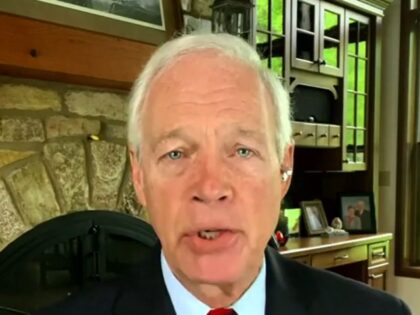
Sen. Ron Johnson’s endorsement of the anti-weaponization fund isn’t just about settling old scores with the IRS—it’s a warning shot across the bow of every federal agency that has quietly turned its regulatory and surveillance powers into political weapons. The $10 billion Trump lawsuit exposed how easily confidential records can be weaponized against citizens who challenge the administrative state, and Johnson’s call for a dedicated fund to fight back signals that at least some lawmakers recognize the same machinery could just as easily be aimed at gun owners through ATF tracing databases, financial surveillance of firearm purchases, or selective enforcement of pistol-brace and brace-rule cases. For the 2A community, the lesson is clear: if the IRS can leak a president’s taxes with impunity, the same culture of unaccountable bureaucrats can leak 4473 forms or NFA registrations to activist groups and media outlets whenever it suits a political narrative.
The deeper implication is that institutional capture doesn’t stop at the tax code. Once agencies view themselves as partisan actors rather than neutral administrators, every data point they hold—background-check records, suppressor registrations, even ammunition purchase histories—becomes a potential lever. Johnson’s stance reframes the fight over the Second Amendment not merely as a debate about the right to keep and bear arms, but as part of a broader struggle against a government that collects ever more information while eroding due-process protections. Without structural pushback like the proposed fund, law-abiding gun owners risk finding themselves on the receiving end of the same selective enforcement and public shaming that Trump endured.
Ultimately, this story underscores why pro-2A advocates must treat bureaucratic overreach as a core Second Amendment issue rather than a side concern. When the administrative state can target individuals through leaks, audits, or novel rulemakings without meaningful recourse, the practical effect is a chilling of the right to bear arms long before any court ever rules on the merits of a ban or restriction. Johnson’s support for the fund is therefore less about one lawsuit and more about building institutional defenses that keep federal power from being turned against the very citizens the Constitution was designed to protect.


