

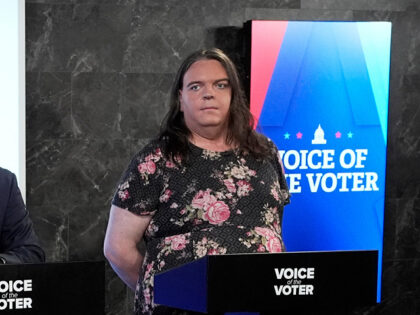
Maine Democrats just quietly scrubbed transgender candidate Ashley Webb and several others from their official Senate candidate list, leaving only two contenders deemed “qualified” for the party’s nominating convention. The move comes as the party scrambles to replace scandal-plagued Graham Platner, whose own campaign imploded under the weight of past controversies. By narrowing the field behind closed doors, party insiders are signaling that optics and ideological conformity now outweigh open competition, a shift that should alarm anyone who values transparent elections.
For the 2A community, this episode is a textbook example of how one-party dominance in states like Maine can quietly reshape the political battlefield. When a major party controls candidate access and messaging, gun owners lose the ability to pressure candidates on magazine bans, permit-to-purchase schemes, and red-flag laws that often sail through with minimal debate. The same machinery that disappeared Webb could just as easily sideline any pro-Second Amendment Democrat—or even a moderate Republican—before voters ever get a say. In short, the fewer names on the ballot, the fewer opportunities to force a real discussion about constitutional carry or the right to keep and bear arms.
The takeaway is straightforward: gun owners cannot afford to treat candidate vetting as someone else’s problem. Whether the disqualifying factor is gender ideology, past scandals, or insufficient loyalty to the gun-control agenda, the result is the same—less choice, less accountability, and a political class increasingly insulated from the concerns of lawful firearm owners. Staying engaged at the local and state level, demanding open primaries, and supporting candidates who refuse to be “disappeared” by party gatekeepers remain the most effective tools for preserving both electoral integrity and the right to bear arms.


