

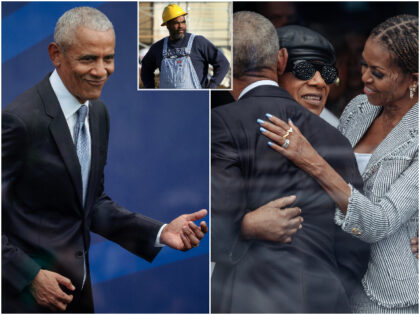
The Obama Presidential Center’s ribbon-cutting in Chicago looked more like a red-carpet gala than a public-works milestone, with A-list celebrities and political royalty mingling while unpaid Black-owned subcontractors stood outside waving invoices. The optics are hard to miss: the same administration that once lectured the country on “systemic inequity” now presides over a signature project accused of stiffing the very minority contractors it promised to uplift. For Second Amendment advocates, the episode is a textbook reminder that elite progressive institutions routinely treat working-class Americans—regardless of skin color—as disposable once the cameras leave.
That disconnect matters to gun owners because the same political class now celebrating itself in Chicago has spent the last decade pushing magazine bans, “assault weapon” prohibitions, and red-flag laws that disproportionately disarm law-abiding citizens in high-crime neighborhoods. While the Center’s unpaid laborers wonder how they’ll make payroll, the political guests inside continue to champion policies that would leave those same neighborhoods even more dependent on police response times that average seven minutes in Chicago. The contrast underscores a core 2A argument: rights are not gifts from benevolent elites; they are safeguards against the very concentration of power and hypocrisy on display at the Center.
Ultimately, the story is less about one construction dispute and more about a governing philosophy that views ordinary Americans as props rather than principals. When the same voices that lecture about equity and justice fail to pay their own bills, it reinforces the broader case for decentralizing authority—including the authority to keep and bear arms—back to individuals and communities instead of distant institutions that treat both checks and constitutional rights as optional.


