

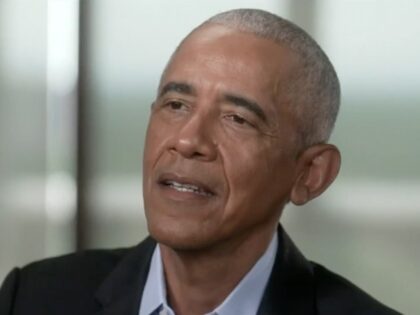
Former President Obama’s latest jab at the Trump administration’s Iran policy drips with the same sanctimony that defined his eight years in office, yet it conveniently ignores how his own “lead from behind” approach left the Middle East more combustible than ever. By framing any show of strength as “bullying,” Obama recycles the progressive talking point that American power is inherently illegitimate, a worldview that treats rogue regimes as misunderstood partners rather than existential threats. The irony is rich: while Obama’s team was airlifting pallets of cash to Tehran and green-lighting a nuclear sunset clause, the ayatollahs were busy arming proxies that now menace shipping lanes and U.S. allies alike.
For the Second Amendment community, the stakes are more than academic. Every time a president signals hesitation, adversaries accelerate their timelines—whether that means sprinting toward a nuclear breakout or flooding the region with advanced drones and missiles that could one day find their way into the hands of cartels or domestic terrorists. History shows that weakness invites testing; strength, when paired with clear red lines, tends to deter. Obama’s reflexive aversion to projecting power helped normalize the idea that the United States should outsource its security to multilateral talking shops, an approach that ultimately erodes the credibility needed to keep both foreign tyrants and domestic authoritarians in check.
The deeper implication is philosophical. If the default posture becomes “we can’t bomb our way to solutions,” then the only remaining tool is endless concession—an invitation for any determined adversary to keep pushing until the cost of resistance exceeds the cost of surrender. That mindset doesn’t just shape foreign policy; it seeps into domestic debates about whether law-abiding citizens should be trusted with the means of self-defense. A nation unwilling to project strength abroad often finds itself questioning the same principle at home, and the 2A community has every reason to notice the pattern.


