

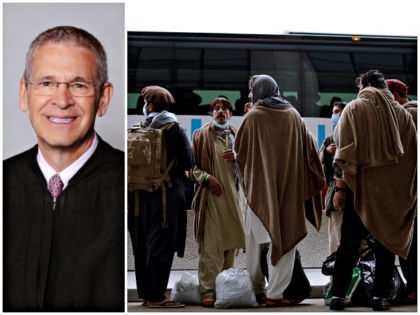
In a move that underscores the deep institutional resistance to any meaningful border enforcement, an Obama-appointed federal judge has halted the Trump administration’s attempt to pause legal immigration and asylum claims from nearly 40 countries flagged as high-risk. The ruling effectively keeps the spigot open for entrants from nations with documented ties to terrorism, weak vetting systems, and elevated rates of criminal activity—precisely the kind of policy that Second Amendment advocates have long warned would import the very threats that make armed self-defense a necessity rather than a choice. By framing the administration’s security measures as overreach, the court isn’t merely interpreting law; it’s signaling that even temporary pauses on inflows from unstable regions are politically radioactive, no matter the data on transnational gangs, drug cartels, and ideological extremists already operating inside U.S. cities.
For the 2A community, this isn’t an abstract immigration dispute—it’s a direct preview of the downstream costs of unsecured borders. When federal courts prioritize procedural hurdles over national security, the result is a larger pool of individuals who may never undergo thorough background checks, yet still gain access to communities where law-abiding citizens increasingly rely on the right to keep and bear arms for protection. The same political coalition pushing for expansive “sanctuary” policies and lax asylum rules is also the one most eager to restrict firearm ownership; the judge’s decision illustrates how these fronts are connected. Without the ability to control who enters, states and localities are left managing the consequences—rising incidents involving illegal aliens in shootings, carjackings, and gang violence—that fuel both the demand for personal firearms and the political pressure to limit them.
The broader implication is that judicial activism on immigration accelerates the very conditions that make a robust Second Amendment indispensable. Each blocked enforcement action adds to the statistical reality that some percentage of new arrivals will commit crimes or join criminal networks already exploiting porous borders. Rather than addressing root causes through coherent policy, the courts punt the problem to local law enforcement and armed citizens. For those who value the right to self-defense, the lesson is clear: immigration enforcement and the Second Amendment are two sides of the same coin; weaken one through judicial fiat, and pressure inevitably builds on the other.


