

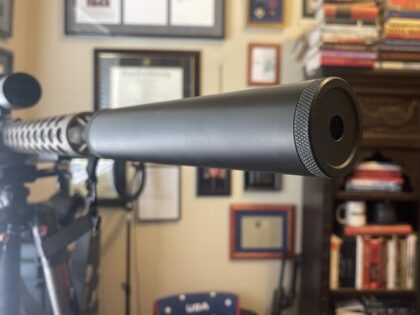
The surge of more than 845,000 suppressor applications in just five months signals a decisive shift in how Americans view hearing protection and personal defense. Rather than treating suppressors as exotic accessories reserved for the tactical fringe, millions of shooters now regard them as standard equipment that reduces recoil, preserves hearing, and keeps range sessions neighbor-friendly. That volume of Form 4 filings—nearly 170,000 per month—also underscores how dramatically the regulatory climate has improved since the Hearing Protection Act gained traction and states began dropping their own bans; the market responded with lower prices, wider availability, and a flood of new designs that make quiet ownership practical for everything from rimfire plinkers to precision rifles.
For the broader Second Amendment community, the numbers represent more than paperwork; they illustrate a cultural normalization that strengthens the case against further restrictions. Every approved suppressor is a tangible reminder that law-abiding citizens can and will exercise their rights when government obstacles shrink, and the sheer scale of demand makes any future attempt at confiscation or registration repeal politically toxic. At the same time, the data quietly pressures lawmakers in remaining restrictive states to align with the majority trend, because nothing undermines prohibition arguments faster than hundreds of thousands of peaceful, tax-paid transfers happening every month.
The long-term implication is a feedback loop: higher ownership drives better technology and lower costs, which in turn invites still more users into the fold and cements suppressors as an accepted part of American gun culture. That momentum matters far beyond the range; it demonstrates that incremental victories on accessory rights can expand the practical exercise of the right to keep and bear arms without waiting for sweeping new legislation.


