

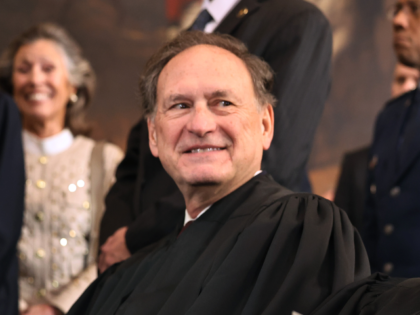
NPR’s hasty retraction of its claim that Justice Samuel Alito was stepping down is more than a simple correction—it’s a window into how quickly institutional media can inject uncertainty into the Court’s composition at a moment when every seat matters for the Second Amendment. The story, published and then yanked within hours, briefly sent ripples through legal and political circles, only to be walked back with the dry admission that “no such announcement had been made.” For gun owners who have watched the Court’s 6-3 majority deliver landmark wins like Bruen, even the rumor of a vacancy is enough to trigger worst-case scenario planning about a Biden appointment that could tilt the balance for a generation.
What makes the episode especially telling is the timing: with several justices well into their seventies and the 2024 election looming, any whisper of retirement becomes instant ammunition in the fight over the judiciary’s future. NPR’s error didn’t just misinform the public; it underscored how legacy outlets still treat the Court as a political chess piece rather than an independent branch, amplifying narratives that could pressure older conservative justices or soften public resistance to court-packing schemes. For the 2A community, the lesson is clear—reliable information about the Court’s makeup is as critical as any legislative update, because the next justice confirmed could determine whether shall-issue carry, magazine bans, or “assault weapon” restrictions survive constitutional scrutiny for decades.
The episode also highlights why pro-Second Amendment advocates must maintain independent sources and rapid-response networks rather than relying on mainstream gatekeepers. When a single erroneous report can move markets, shift betting odds on nominees, and distract from ongoing litigation in the lower courts, the cost of media malpractice is measured in rights, not just clicks. Staying vigilant means treating every unverified retirement rumor as a stress test for the constitutional structure that currently protects the individual right to keep and bear arms—and preparing now for the confirmation battles that will decide whether that protection endures.


