

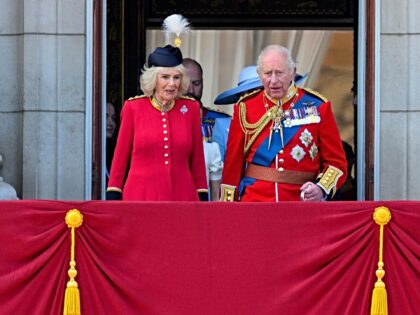
King Charles III’s exit from Buckingham Palace after a nearly half-billion-dollar makeover isn’t just royal downsizing—it’s a master class in how even the most entrenched institutions eventually feel the squeeze of public scrutiny and fiscal reality. While the Crown cites “efficiency” and “modernization,” the optics of a 775-room palace sitting empty after such an eye-watering outlay are impossible to ignore, especially when everyday Britons are told to tighten their belts. For the 2A community this is a timely reminder that government largesse, once granted, rarely shrinks on its own; it must be clawed back by an informed citizenry that refuses to fund symbols over substance.
The deeper implication is cultural. A monarchy that once symbolized continuity and restraint now markets itself through spectacle and spectacle’s price tag, reinforcing the same top-down mindset that views the armed citizen as an anachronism rather than a safeguard. When the state lavishes resources on palaces while simultaneously pushing ever-tighter controls on personal firearms, it signals a worldview in which only official institutions are trusted with power—whether that power is measured in square footage or in magazine capacity. The 2A response is straightforward: reject the premise. An armed populace doesn’t need a refurbished fortress to feel secure; it needs the continued right to keep and bear arms so that no future monarch—or bureaucrat—can treat self-defense as a privilege doled out from above.
In short, Charles’s move may look like prudent housekeeping, but it underscores a larger pattern: institutions that grow too comfortable with other people’s money eventually price themselves out of relevance. The 2A community’s answer is to stay lean, stay armed, and keep the power where the Founders intended—distributed among free individuals rather than concentrated behind palace walls.


