

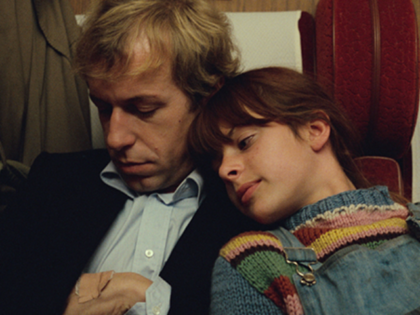
Wim Wenders’ decision to yank his 1975 film The Wrong Move from every platform because Nastassja Kinski now objects to the topless scene she filmed at thirteen is the latest reminder that yesterday’s “art” can become tomorrow’s liability the moment cultural winds shift. What once passed for European cinematic daring is now treated like contraband, and the industry’s reflexive capitulation shows how fragile any creative work becomes when it collides with retroactive consent standards. The same impulse that lets activists rewrite film history also fuels the push to rewrite the Second Amendment—both rest on the notion that past norms were simply mistakes that must be erased rather than understood in context.
Gun owners should watch this episode closely. If a completed motion picture can be disappeared because one participant later feels differently about her role, the precedent for disarming citizens is obvious: any right exercised under older legal or cultural conditions can be clawed back by new sensibilities. The 2A community already fights endless attempts to redefine “common use” or “in common use” so that older firearms or magazines suddenly become “unusual.” When institutions normalize the idea that yesterday’s lawful choices are today’s crimes, magazines, rifles, and even entire classes of arms become fair game for the same retroactive purge.
The larger danger is the quiet transfer of power from fixed constitutional text to shifting emotional claims. Once we accept that a thirteen-year-old’s on-screen appearance justifies erasing a film, it is a short step to arguing that a 1791 understanding of arms justifies erasing the right itself. Pro-2A citizens who shrug at cultural purges are ignoring the same mechanism already aimed at their gun safes; defending artistic permanence and defending the Bill of Rights are two fronts of the same long fight to keep the past from being held hostage by the present.


