

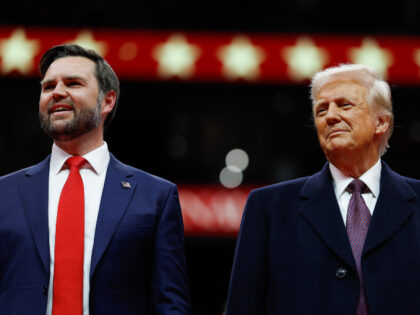
Trump’s reported preference for J.D. Vance over Marco Rubio as the 2028 torch-bearer is more than a Beltway parlor game; it’s a signal that the populist, America-First wing of the party is being groomed for longevity rather than a return to the Chamber-of-Commerce wing. Vance’s record on the Hill already shows a willingness to treat the Second Amendment as a non-negotiable baseline rather than a bargaining chip—something Rubio has occasionally signaled he might trade away in the name of “common-sense” deals. If the president’s inner circle is positioning Vance as the heir apparent, the gun-owning electorate can reasonably expect continued pressure to codify protections like national reciprocity and to keep ATF rulemaking on a short leash.
That matters because the regulatory state doesn’t pause for election cycles. Even with a friendly administration, the pistol-brace rule, the redefinition of “engaged in the business,” and the push to gut the frame-or-receiver rule are still grinding through the courts. A Vance-led ticket in 2028 would likely keep personnel in place who understand that litigation is won by refusing to blink, not by negotiating surrender. Rubio, by contrast, has a Senate history of searching for “bipartisan” solutions that often leave the grassroots writing checks to lawyers. The difference is not academic; it determines whether the next four to eight years are spent clawing back ground or merely playing defense.
For the 2A community, the takeaway is straightforward: primaries matter earlier than ever. If the succession plan really is Vance, donors and activists should be building state-level infrastructure now—candidate recruitment, state AG alliances, and model legislation—so the infrastructure is already humming when the national spotlight shifts. Trump’s nod doesn’t guarantee a coronation, but it does telegraph which lane the Republican primary battlefield is tilting toward, and that lane runs straight through the heart of pro-Second-Amendment country.


