

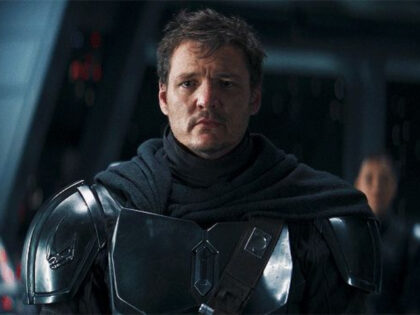
Disney’s latest Star Wars cash-grab just proved that even a galaxy far, far away can’t escape the gravitational pull of audience fatigue when the product feels phoned-in and preachy. The Mandalorian and Grogu scraped together a dismal $81 million over its first three days and is tracking for a Memorial-Day-weekend total barely scraping $97 million—numbers that would have been unthinkable for the franchise even five years ago. What used to be automatic, must-see event cinema has become another bloated IP exercise that audiences are simply choosing to skip, and the ripple effects reach well beyond Hollywood’s spreadsheets.
For the 2A community the takeaway is straightforward: when a cultural monolith like Star Wars loses its grip, it creates breathing room for stories that actually celebrate individual responsibility, marksmanship, and the armed citizen. Mandalorian himself was once a fan-favorite archetype—a laconic gunslinger who lives by a personal code and never waits for permission to defend the weak—yet the new film reportedly sands off those edges in favor of the same sanitized messaging that’s tanking other legacy franchises. Viewers who grew tired of lectures are already migrating to independent creators, video-game universes, and yes, real-world Second Amendment culture that still prizes competence with a firearm over corporate-approved platitudes.
The bigger implication is market correction. If Disney can’t move units with the supposed surest of sure things, studios may finally recalculate the risk of alienating half their potential audience with virtue-signaling subplots. That recalibration opens doors for writers, directors, and game studios willing to portray armed self-reliance as normal rather than suspect. In short, a weak opening weekend for The Mandalorian and Grogu isn’t just bad box office—it’s another data point showing that audiences are done subsidizing their own marginalization and are ready for entertainment that respects the armed citizen instead of lecturing him.


