

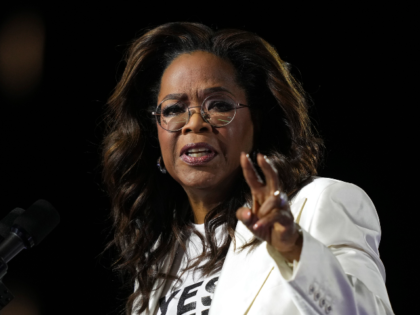
Oprah Winfrey’s sudden chill toward Dr. Phil and Dr. Oz isn’t just another celebrity breakup—it’s a textbook example of how the cultural elite police their own once the narrative shifts. Both men built empires under Oprah’s blessing, yet the moment their brands drifted from the approved talking points—Dr. Phil questioning certain COVID policies, Dr. Oz running as a Republican—they became expendable. Winfrey’s camp now quietly signals that these longtime protégés no longer reflect her “values,” a polite way of saying they failed the purity test. For the 2A community, the lesson is clear: institutions that once seemed neutral or even friendly can pivot overnight when political utility demands it.
The deeper implication is how quickly media gatekeepers rewrite history to protect their brand equity. Oprah didn’t build these careers out of charity; she monetized trust. When that trust no longer serves the larger progressive project, the same machinery that elevated Dr. Phil and Dr. Oz can just as easily erase them. Gun owners have watched parallel purges in banking, entertainment, and tech—where once-reliable partners suddenly discover “misalignment” the moment the Second Amendment enters the chat. The pattern is identical: association becomes liability, and yesterday’s ally is today’s cautionary tale.
What this episode really underscores is the importance of parallel institutions that can’t be memory-holed on a publicist’s whim. Firearm owners who rely on legacy media, big-tech platforms, or even once-friendly celebrities for cultural legitimacy are betting on a house of cards. The 2A movement’s strength lies in decentralized networks—independent instructors, local ranges, direct-to-consumer manufacturers, and state-level advocacy—that don’t require Oprah’s blessing to survive. When the next cultural purge arrives, those who built outside the system won’t be left scrambling for relevance; they’ll already be too busy training, manufacturing, and organizing to notice they’ve been “distanced.”


