

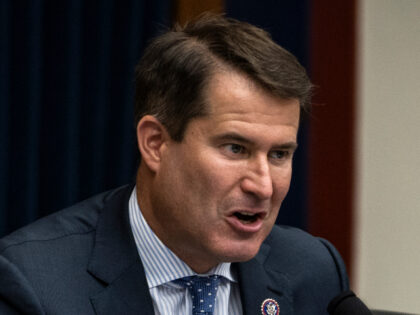
In a move that perfectly encapsulates the modern Democratic Party’s allergy to uncomfortable questions, Rep. Seth Moulton is accused of physically confronting a journalist who dared to ask whether he would endorse Graham Platner—a candidate whose past statements on firearms have drawn scrutiny from both sides. Rather than offering a clear answer or even a polite deflection, Moulton allegedly chose the “hands-on” approach, turning what should have been a routine press interaction into a demonstration of how some elected officials treat dissent like a personal affront. For Second Amendment supporters, the episode is less about one lawmaker’s temper and more about a broader pattern: when pressed on gun rights, progressive politicians increasingly respond with evasion, hostility, or outright intimidation instead of substantive debate.
The real story here isn’t just the alleged shove; it’s the question that triggered it. Platner’s record on the right to keep and bear arms has become a flashpoint precisely because it forces Democrats to reconcile their coastal donor base with voters who still expect basic constitutional fidelity. Moulton’s reaction suggests he understands how toxic an honest answer could be—either he endorses someone whose views clash with the party’s gun-control orthodoxy, or he distances himself and risks alienating the very activists who now dominate primary challenges. Either path exposes the widening gap between the Democratic leadership’s rhetoric and the lived reality of millions of law-abiding gun owners who watch these confrontations and correctly conclude that their rights are treated as negotiable at best.
For the 2A community, moments like this serve as useful reminders that elections have consequences beyond policy papers. When a sitting congressman allegedly resorts to physicality rather than defending or even articulating his position on the Second Amendment, it signals that the cultural and political space for open discussion is shrinking. Gun owners who once hoped for good-faith engagement are instead watching elected officials treat basic inquiries about candidate records as provocations. The takeaway is straightforward: document everything, support candidates who will actually answer the questions, and recognize that the right to keep and bear arms will not be secured by politicians who view journalists—and by extension, the public—as obstacles rather than constituents.


