

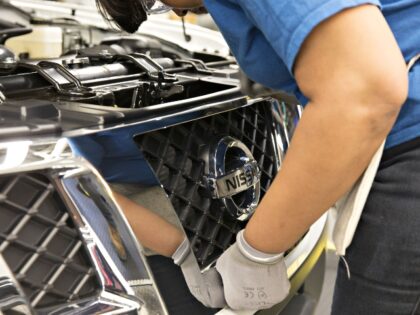
Nissan just dropped a bombshell on the EV dreamers: they’re scrapping electric vehicle production at their Canton, Mississippi plant and pivoting hard to body-on-frame trucks and SUVs. This isn’t some minor tweak—it’s a full retreat from the battery-powered bandwagon that automakers have been flogged into chasing by federal mandates and green incentives. Remember, Nissan was all-in on EVs like the Leaf, but now they’re doubling down on the rugged, gas-guzzling workhorses that Americans actually buy in droves. With EV sales slumping amid high costs, charging woes, and consumer sticker shock, Nissan’s move screams market reality over Washington fantasy.
Dig deeper, and this shift is a masterclass in corporate survival amid Biden-era policies like the Inflation Reduction Act’s EV subsidies—which, spoiler, haven’t ignited the revolution promised. Mississippi’s plant, a hub for tough Titans and Pathfinders, now gets a lifeline to churn out more of what sells: vehicles built for towing, hauling, and off-road abuse, not virtue-signaling commutes. Clever analysis? Nissan’s betting on profitability over politics, especially as tariffs loom on Chinese EVs and domestic battery production falters. This echoes Ford and GM’s quiet EV backpedaling, proving the EV mandate is more mirage than momentum.
For the 2A community, this is pure catnip. Body-on-frame trucks are the lifeblood of gun owners—think F-150s and Silverados stuffed with ARs, ammo crates, and range gear for weekend warrior runs or SHTF preps. Ditching EVs means more affordable, reliable trucks with the payload for ATVs, boats, or full gun safes, unburdened by finicky batteries that die in sub-zero hunts or remote backcountry. No more watching your truck’s range evaporate hauling a trailer full of steel targets. As EV hype crumbles, Nissan’s pivot bolsters the truck culture that keeps our rights mobile—hauling us to the range, rallies, and beyond. Pro-2A win: real trucks for real Americans, not golf carts for the elite. Keep voting with your wallet, folks.


