

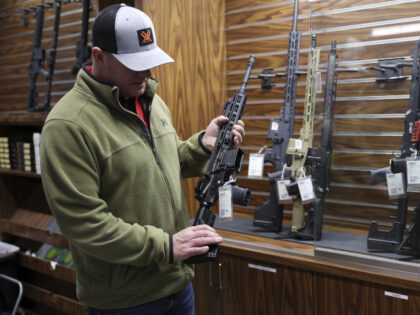
The Ninth Circuit’s decision to hit pause on the latest California assault-weapons challenge isn’t just docket management—it’s a calculated bet that the Supreme Court will soon hand down a ruling expansive enough to either gut or green-light the state’s entire regulatory regime. By freezing the litigation, the appeals court is effectively conceding that its own post-Bruen framework may be on borrowed time; if SCOTUS clarifies that “in common use” is the operative test and that modern semiautomatic rifles qualify, California’s feature-based ban collapses under its own logic. Conversely, a narrower or deferential opinion could give the Ninth Circuit cover to uphold the law once more, turning the stay into a strategic life-support system for a statute that has already survived multiple rounds of constitutional scrutiny on increasingly shaky grounds.
For the broader Second Amendment community, the move underscores how much of the post-Bruen battlefield is still being fought in the shadow of the Supreme Court’s next moves rather than on the text, history, and tradition the Bruen majority demanded. California’s lawyers are openly shopping for a precedent that would let “sensitive places” and “dangerous and unusual” doctrines swallow the individual-rights framework, while pro-2A litigants are watching to see whether the Court will finally treat the AR-15 platform the way it treated the stun gun in Caetano—as an arm in common use that cannot be banned simply because it is effective for self-defense. The stay therefore functions as a weather vane: if the justices grant cert in the related assault-weapons or magazine cases this term, expect a cascade of new filings; if they punt again, the Ninth Circuit’s freeze could linger for years, leaving millions of Californians in a state of constitutional limbo while the political class treats the delay as de-facto permission to tighten restrictions further.


