

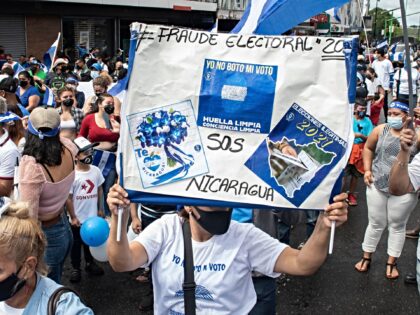
Nicaragua’s slide into outright one-man rule under Daniel Ortega isn’t just another Latin-American tragedy; it’s a textbook reminder that when a regime decides ballots are optional, the only remaining check on power is the armed citizen. Ortega’s announcement that elections are finished didn’t come with tanks in the streets—those were already there—but with the quiet erasure of any legal avenue for dissent, leaving roughly seven million Nicaraguans staring at a future where the only “vote” that counts is the one they can hold in their hands. For the 2A community this is more than foreign-policy trivia; it’s living proof that paper guarantees evaporate the moment a government decides the people no longer need a say.
The timing is instructive. Ortega spent years disarming rural landowners, nationalizing security forces, and importing Cuban and Venezuelan “advisers” who specialize in turning neighborhood watches into neighborhood snitches. The result is a population that now faces the classic tyrant’s math: comply or be crushed, because the state has already collected the guns. Contrast that with the American experience, where the Second Amendment still functions as both a practical deterrent and a philosophical backstop; even the most ambitious gun-control proposals here must still clear constitutional muster precisely because an armed populace makes casual authoritarianism expensive.
The takeaway for American gun owners is straightforward: every incremental restriction, every new registry, every “common-sense” rule that chips away at the individual right to keep and bear arms is another brick in the same wall Ortega just finished building. History shows that once the citizenry is disarmed, elections become theater and rights become privileges dispensed at the ruler’s pleasure. Keeping the means of resistance in private hands isn’t paranoia; in places like today’s Nicaragua, it’s the difference between having a future and having none.


