

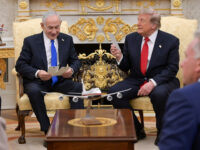
The optics of a Netanyahu-Trump sit-down are never just about the Middle East; they’re a reminder that the same coalition that keeps Israel’s qualitative military edge intact is the one that keeps the Second Amendment from being whittled away at home. When the two leaders emerged touting a “positive, productive” meeting, the subtext for American gun owners was clear: the diplomatic and defense relationship that funnels U.S.-made small arms, optics, and ammunition to the IDF is the same industrial base that equips law-abiding citizens here. Any erosion of that base—through export controls, ATF reinterpretations, or quiet State Department pressure—would ripple straight into the civilian market, raising prices and shrinking options faster than any new piece of legislation.
Beyond the hardware pipeline, the meeting underscored a philosophical alignment that matters more than most Beltway analysts admit. Both leaders have spent the better part of a decade framing armed self-reliance as a civic virtue rather than a policy problem. Netanyahu’s Israel is a living case study in what happens when a population is trusted with the tools of defense; the U.S. under Trump doubled down on the same principle by rolling back Obama-era “social security” gun bans and expanding reciprocity efforts. When these two sit across from each other, the conversation isn’t limited to Iron Dome batteries; it’s about whether free societies still believe citizens can be competent stewards of lethal force.
For the 2A community, the takeaway is strategic patience. Every time the White House and Jerusalem reaffirm their alliance, they reinforce the legitimacy of an armed citizenry on both sides of the ocean. The next time ATF tries to shoehorn bump stocks or pistol braces into the NFA, or the next time a blue-state AG sues a domestic manufacturer into bankruptcy, remember the optics from this meeting: the same political constellation that keeps Israel secure is the one that keeps the American rifle owner in business.


