

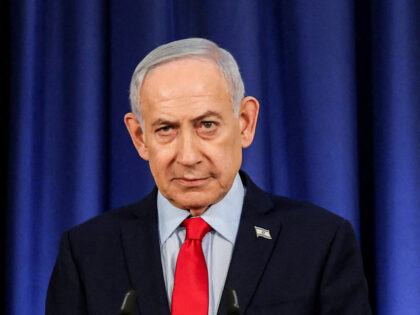
Israeli Prime Minister Benjamin Netanyahu’s unannounced visit to southern Lebanon this week sent a clear message that resonates far beyond the Middle East: when a nation faces an existential threat, it does not outsource its security to anyone else. Standing among IDF troops who had just cleared Hezbollah positions, Netanyahu declared that Israel would remain until the threat is eliminated—an unmistakable echo of the principle that self-defense is not a temporary posture but a permanent responsibility. For Americans who value the Second Amendment, the scene is a living reminder that rights are only as strong as the willingness to exercise and defend them; a government that hesitates to neutralize rocket launchers aimed at its civilians is a government that has already begun to forfeit its legitimacy.
The tactical reality on the ground further underscores why disarmament rhetoric rings hollow when real enemies still operate. Hezbollah’s tunnel networks and precision-guided munitions did not materialize because of lax Israeli gun laws; they grew because previous Israeli withdrawals left power vacuums that terrorists eagerly filled. That history mirrors the domestic debate over “assault weapons” and magazine bans: criminals and designated terror groups do not file Form 4473s, yet law-abiding citizens are told their defensive tools are the problem. Netanyahu’s troops are using the very small arms, optics, and crew-served weapons that anti-Second Amendment activists would restrict at home, proving once again that superior firepower in the right hands ends threats faster than negotiations or cease-fires ever have.
For the 2A community, the takeaway is straightforward: deterrence is not provocative; it is preservative. Every time Israel demonstrates that it will not leave southern Lebanon until Hezbollah’s offensive capability is destroyed, it reinforces the same logic that underpins constitutional carry and shall-issue permitting—citizens and nations alike retain the means of decisive self-defense because the alternative is waiting for the next attack. As long as groups like Hezbollah view cease-fires as reload times rather than peace, the only rational policy is to keep the means of resistance close at hand and the resolve to use them even closer.


