

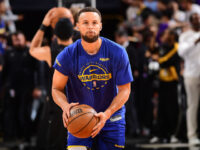
Stephen Curry’s decision to ink a new endorsement deal with Li-Ning, the Beijing-based sportswear giant, is more than a routine shoe contract—it’s another data point in the steady migration of American athletic talent toward Chinese capital. While Curry’s on-court wizardry remains unmatched, the optics of an NBA icon lending his name to a state-adjacent company headquartered in a nation that bans private firearm ownership and treats the Second Amendment as a subversive Western concept are impossible to ignore. The move underscores how global branding now routinely trumps domestic cultural signaling, even for athletes whose U.S. fan bases include millions of law-abiding gun owners who once saw Curry’s underdog story as quintessentially American.
For the 2A community the takeaway is straightforward: consumer dollars and endorsement platforms are not neutral. Every pair of Li-Ning sneakers sold funnels revenue back to a regime that views an armed citizenry as an existential threat, while simultaneously courting Western markets hungry for the next performance innovation. This isn’t about boycotting basketball; it’s about recognizing that cultural influence flows both ways. When high-profile Americans normalize partnerships with authoritarian supply chains, they quietly erode the narrative that individual liberty—including the right to keep and bear arms—is a universal good rather than a niche U.S. eccentricity.
The larger implication is that Second Amendment advocates can no longer treat sports marketing as separate from geopolitical alignment. Just as the industry has highlighted companies that bankroll anti-gun politicians, it can now track which athletes and brands route capital to governments that criminalize self-defense. Curry’s deal is a reminder that brand loyalty in 2025 is no longer just about cushioning and court feel—it’s also about whose vision of freedom ultimately gets subsidized.


