

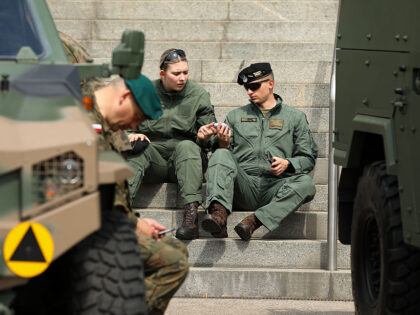
NATO’s reported awareness of a Russian scheme to stage a quick, deniable incursion into Poland isn’t just another headline—it’s a reminder that the continent’s security guarantees are only as strong as the weapons behind them. A short-lived “provocation” might be designed to test Article 5’s political will, but it would also test how quickly Polish and allied forces could bring accurate, man-portable firepower to bear before the incursion becomes a fait accompli. In that environment, the ability of private citizens and reserve formations to field modern semi-automatic rifles, optics, and night-vision gear suddenly stops being a hobbyist concern and becomes a strategic reserve the alliance can’t afford to ignore.
For the 2A community, the lesson is straightforward: every restriction that slows the lawful transfer of defensive arms or criminalizes standard-capacity magazines is effectively pre-approving a longer lag time between the first shot on the border and the first effective response from the population that lives there. Poland’s own recent moves to liberalize civilian access to firearms track directly with this threat assessment; Warsaw understands that an armed, trained populace multiplies the number of potential defenders long before regular units can mobilize. If NATO is gaming out Russian feints, it should also be gaming out how many of those defenders will already own the tools to hold ground until heavier forces arrive.
The larger implication is that deterrence isn’t built solely at the battalion level. When citizens on the alliance’s eastern flank can lawfully keep and bear the same classes of arms carried by their own military reserves, the calculus for any probing attack changes. A Russian planner weighing a limited thrust has to account not just for NATO’s trip-wire forces, but for the possibility that every farmhouse and village might already contain shooters who treat their rifles as the last line of national survival rather than sporting equipment. That reality doesn’t make headlines in Brussels, but it’s the quiet variable that keeps small provocations from turning into large wars.


