

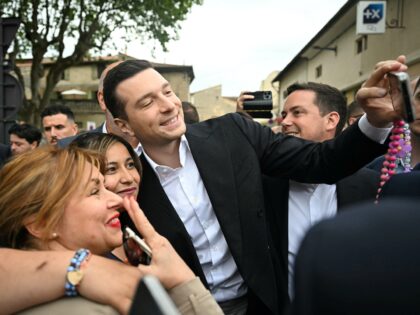
France’s latest spasm of urban violence has handed Jordan Bardella the kind of political oxygen that only crisis can create. While nightly images of torched cars and shattered storefronts dominated screens, Bardella’s approval numbers rocketed to an all-time high, vaulting him clear of every other declared or rumored contender for the Élysée. The surge isn’t merely a polling blip; it reflects a electorate that has grown weary of Macron-era platitudes about “root causes” and is now openly receptive to the National Rally’s blunt diagnosis that mass, unvetted immigration plus soft-on-crime policing equals imported disorder. For Americans who still prize the Second Amendment, the lesson is immediate: when a nation’s political class treats self-defense as suspect and leaves citizens to navigate no-go zones with nothing but 9-1-1 on speed-dial, the resulting insecurity becomes a powerful recruiting tool for candidates who promise to restore order—by any lawful means necessary.
That same dynamic is precisely why Bardella’s rise should register on this side of the Atlantic. France’s strict gun laws did nothing to deter the rioters, yet they left shopkeepers and suburban families staring down Molotov cocktails with empty hands. Bardella’s ascent signals that voters are beginning to connect those dots: an armed citizenry is not the source of chaos but often the only backstop when the state’s monopoly on force falters. If French voters ultimately hand the National Rally real power, expect renewed scrutiny of France’s near-total civilian disarmament and a fresh debate over whether the right to keep and bear arms is a universal human safeguard rather than a quirky American eccentricity. Stateside, the takeaway is equally stark—every time footage of European streets on fire circulates, it quietly validates the argument that the Second Amendment is not a cultural relic but a practical insurance policy against the day when “it can’t happen here” stops being true.


