

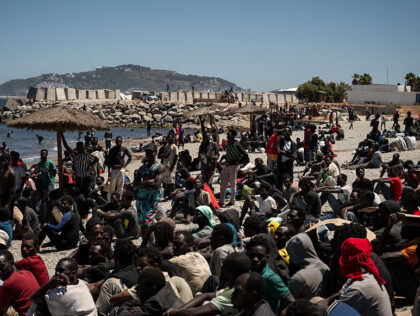
Spain’s knee-jerk pivot from territorial embarrassment to conspiracy-mongering is a textbook case of authoritarian narrative control. When Ceuta’s security collapse made global headlines, Madrid didn’t double-down on border enforcement; it accused unnamed “international reactionary forces” of manufacturing the crisis. That rhetorical sleight-of-hand is designed to shift scrutiny away from policy failure and onto anyone who dares document it—journalists, independent analysts, or, crucially, private citizens who keep their own records when governments won’t. For the 2A community, the lesson is immediate: once a state claims the exclusive right to define “truth,” the next logical step is restricting the tools citizens use to defend themselves against both physical threats and official disinformation.
The deeper implication is that Spain’s rhetorical escalation mirrors a broader European pattern in which governments facing migration or security breakdowns reach for the “disinformation” label to delegitimize dissent. In the U.S., the same linguistic trick has already been aimed at lawful gun owners—portraying defensive firearm purchases as panic-buying “fed by conspiracy theories.” If Spain can brand basic reporting on an invasion as foreign subversion, it’s only a short conceptual hop to labeling private firearms ownership itself as an “international reactionary” plot. The 2A community should treat this episode as an early-warning system: every time a government externalizes blame for its own security lapses, it simultaneously builds the rhetorical scaffolding to curtail the individual right to keep and bear arms.


