

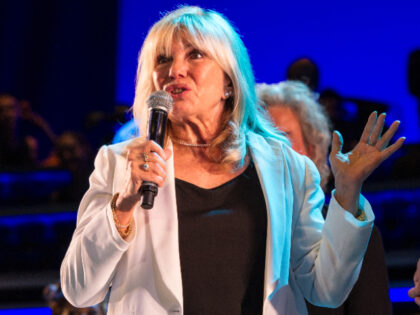
Nancy Sinatra’s knee-jerk call to “eliminate all guns” after a Seattle incident that never met the FBI’s four-victim threshold for a mass shooting is a textbook case of how emotion and sloppy reporting can eclipse facts. The event involved a single shooter firing at a vehicle, injuring two people—tragic, but hardly the “epidemic” that justifies stripping 100 million law-abiding citizens of their constitutional rights. Yet the 83-year-old entertainer, whose own family history includes armed bodyguards and the implicit protection of wealth, framed the episode as proof that the Second Amendment itself is the problem.
For the 2A community, the episode underscores a recurring pattern: legacy-media amplification of any gunfire, followed by instant demands for sweeping bans from celebrities insulated from everyday crime. The rush to redefine “mass shooting” downward—sometimes to include defensive gun uses or even non-injury events—lets activists pad statistics and pressure lawmakers before the facts settle. In Seattle, where strict gun ordinances already coexist with rising car thefts and smash-and-grabs, the data show that armed citizens and responsive policing, not symbolic gun bans, correlate more closely with safer streets.
The deeper implication is cultural: when public figures treat the right to keep and bear arms as a prop for virtue signaling rather than a safeguard against tyranny and crime, they erode the very norms that keep a free society self-reliant. Gun owners who quietly train, store firearms responsibly, and vote know that policy built on anecdotes and misclassified incidents will always miss the mark. Nancy Sinatra may sell records, but her prescription sells short the millions of Americans whose security depends on the Second Amendment remaining intact.


