

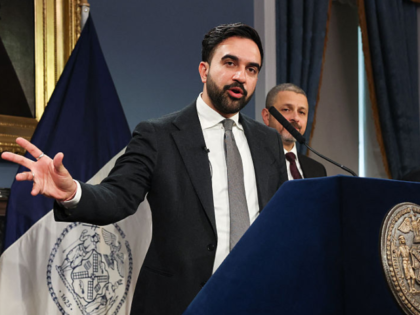
Zohran Mamdani’s attempt to baptize universal childcare in the words of Jesus is less about theology and more about political theater, a classic move by a self-described Muslim socialist who knows that wrapping expansive government programs in Christian language can soften resistance in a city that still remembers its religious roots. By invoking Christ to justify taxpayer-funded daycare, Mamdani is following the familiar progressive script that treats every social service as a moral imperative rather than a policy choice, conveniently ignoring that the same logic has already produced ballooning budgets, declining educational outcomes, and a growing class of citizens dependent on the state from cradle onward. For the 2A community the pattern is unmistakable: once government claims the power to manage childhood under the banner of compassion, it rarely stops at daycare; the same administrative apparatus that tracks every child’s “care plan” can just as easily track every firearm purchase, every training class, and every magazine capacity under the banner of public safety.
The deeper implication is that Mamdani’s rhetoric accelerates the cultural shift away from individual responsibility and toward centralized control, a shift that historically precedes the erosion of Second Amendment protections. When politicians redefine charity as a government monopoly, they simultaneously redefine rights as privileges that can be conditioned on compliance with ever-expanding social programs. New York’s long record of mayoral hostility to lawful gun ownership—from Sullivan Act-era restrictions to modern red-flag laws—shows how quickly “progressive” governance translates moral claims into regulatory choke points. Gun owners who dismiss childcare rhetoric as unrelated to firearms are missing the through-line: the same coalition that wants the state to raise children also wants the state to decide who may keep and bear arms, and they are perfectly willing to use religious-sounding language to make both projects sound inevitable.
What matters now is whether the 2A community recognizes this as another front in the long war over whether rights are inherent or dispensed by bureaucrats. Mamdani’s Jesus-quoting flourish is not an isolated gaffe; it is a signal that the next wave of restrictions will arrive dressed as moral progress rather than overt confiscation. Staying alert to these linguistic maneuvers, supporting candidates who treat both parental authority and the right to keep and bear arms as non-negotiable, and refusing to let government expand its reach under any pretext remain the practical defenses that actually protect the Second Amendment when the next crisis or “compassionate” program is rolled out.


