

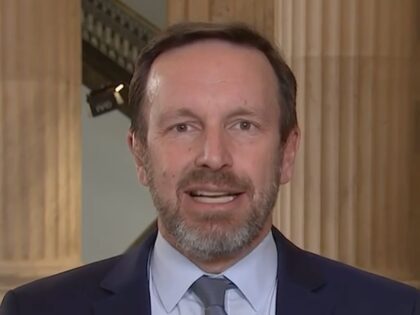
Sen. Chris Murphy’s latest jab on MSNBC—that President Trump is expanding the White House ballroom because he “doesn’t think he’s going anywhere”—is the kind of partisan theater that collapses under even light scrutiny. The ballroom project is a long-planned renovation of aging infrastructure, not a monarchical power grab, yet Murphy’s framing lets Democrats paint any Trump-led improvement as evidence of dictatorship. For the 2A community the real story is how quickly the same voices who spent four years warning about “threats to democracy” now treat routine White House upkeep as proof that elections no longer matter, revealing a reflexive hostility to any institutional continuity under a pro-Second Amendment administration.
That hostility matters because the same political class pushing this narrative also drives the steady drumbeat of gun-control legislation that treats law-abiding owners as the problem rather than criminals or mental-health failures. When a senator casually equates physical improvements to the people’s house with permanent one-party rule, he signals that normal democratic turnover is unacceptable if it keeps producing presidents who restore carry rights, defend the commerce-clause limits on federal gun bans, and appoint judges who read the Second Amendment as an individual right. The ballroom quip is therefore less about décor and more about telegraphing that any Trump success—whether infrastructure, energy, or constitutional originalism—must be delegitimized before voters can judge it at the ballot box.
For gun owners the takeaway is straightforward: stay focused on policy substance over media melodrama. Expanded reciprocity, national standards for shall-issue permitting, and continued judicial appointments that treat the right to keep and bear arms as presumptively protected are the metrics that actually determine whether the next administration “thinks it’s going anywhere.” Murphy’s soundbite may rally the base, but it also reminds the firearms community why vigilance at the polls and in the courts remains essential long after the drywall dust settles.


