

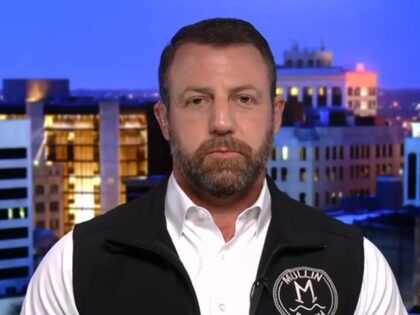
When DHS Secretary Markwayne Mullin told NewsNation that ICE traffic stops were being demoted to “last option” status, he framed it as a safety measure—why let agents wait until a suspect is behind the wheel when they could be picked up at home or work? The subtext, however, is unmistakable: the agency is deliberately shrinking the number of discretionary encounters that historically generate probable cause for vehicle searches. For the 2A community, that matters because traffic stops remain the single most common gateway for officers to discover lawfully carried firearms, run serial numbers, or pressure drivers into “consenting” to trunk searches. Reducing those stops doesn’t just change immigration enforcement; it narrows the aperture through which law-abiding gun owners are most likely to be second-guessed about their carry choices.
The practical effect is a two-tier landscape. Jurisdictions that still treat traffic enforcement as a core public-safety tool will continue to generate the bulk of defensive-gun-use data and legal precedents, while sanctuary-style or “progressive-prosecutor” zones effectively create rolling Constitution-free zones where armed citizens are statistically less likely to be pulled over at all—until, of course, a more serious crime occurs and the encounter escalates. That asymmetry rewards compliance in some places and evasion in others, undercutting the uniform constitutional baseline that shall-issue carry was supposed to deliver nationwide. Gun owners who cross state lines now face an enforcement lottery: the same holstered pistol that would have been a non-event during a burned-out taillight stop in Texas could become exhibit A in a post-robbery investigation in Illinois simply because the stop itself was avoided until it was too late.
Longer term, the policy signals that federal agencies are internalizing the progressive narrative that any police-initiated contact is inherently suspect. If traffic stops are recast as dangerous inconveniences to be minimized rather than as vital compliance checkpoints, the next logical step is to question the stops’ very constitutionality—especially when the driver is lawfully armed. The 2A community should treat Mullin’s clarification not as a reassuring clarification on immigration tactics, but as an early warning that the administrative state is comfortable trading away investigative tools that, for millions of carriers, are the only regular reminder that their rights are still operational on American roadways.


