

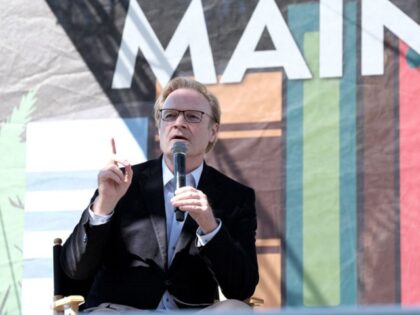
Lawrence O’Donnell’s casual admission that he “always thought Platner was lying” yet still elevated Trump’s USAID policy above the issue reveals a media class that treats character, credibility, and even Nazi iconography as negotiable when the political stakes feel high enough. For the 2A community this is hardly surprising; the same outlets that once demanded exhaustive scrutiny of every gun-owner’s social-media history now signal that past statements or symbols can be memory-holed if the target is a Republican administration. The selective outrage machine only spins when it can be aimed at law-abiding firearm owners or conservative candidates; when the subject is an ally, the tape is erased and the conversation redirected to whatever bureaucratic program the left prefers to defend this week.
The deeper implication is that institutional media no longer pretends to apply consistent standards; instead it openly bargains with truth whenever doing so protects progressive priorities. Gun owners have watched this pattern for years—every defensive gun use is minimized, every training accident is national news, and every pro-2A legislator faces opposition research that would make opposition researchers blush—yet the same reporters shrug when one of their own admits prior deception. That double standard is why the firearms community long ago stopped looking to legacy outlets for honest framing and instead built its own networks, legal-defense funds, and rapid-response operations that treat every story as potentially hostile until proven otherwise.
Ultimately O’Donnell’s remark is less about Platner or USAID than it is a window into how the information landscape actually functions: facts are subordinate to narrative utility. For Second Amendment advocates the lesson is straightforward—never outsource your credibility to institutions that have already demonstrated they will subordinate it to political expediency. The right to keep and bear arms survives only when its defenders remain clear-eyed about who controls the microphone and how little regard they have for consistency when the target is someone they dislike.


