

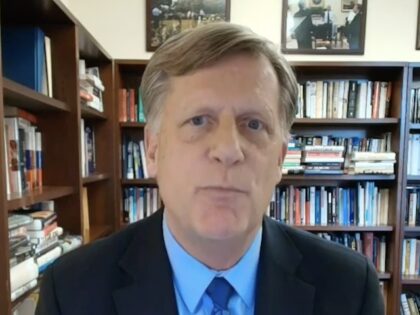
Michael McFaul’s latest MSNBC appearance is the kind of Beltway theater that gun owners have learned to read like a weather forecast: when the foreign-policy class starts calling a president “absurd” for refusing to hand another rogue regime a blank check, it usually means the old appeasement script is being rewritten. Trump’s decision to keep maximum pressure on Tehran—rather than racing back into the JCPOA—has left the foreign-policy priesthood sputtering because it refuses to treat Iran as a rational actor that can be bribed into good behavior. For the 2A community that has watched the same experts dismiss armed citizens as “absurd” while simultaneously arguing that the world’s most active state sponsor of terrorism can be trusted with nuclear latency, the irony is impossible to miss.
The deeper implication is that the same worldview driving McFaul’s critique also fuels domestic efforts to disarm law-abiding Americans under the banner of “stability.” If the United States looks ridiculous for refusing to subsidize a regime that chants “Death to America” and arms proxies from Lebanon to Yemen, then presumably it also looks ridiculous for refusing to treat the Second Amendment as a bargaining chip in some grand globalist bargain. The 2A community has seen this movie before: every time the administrative state claims that only it possesses the wisdom to manage existential threats—whether Iranian centrifuges or privately owned rifles—the result is eroded sovereignty and expanded bureaucracy. Trump’s Iran posture is therefore not an isolated foreign-policy choice; it is a live demonstration that strength, not submission, remains the only currency that authoritarian regimes respect.
That lesson travels straight back to the gun range. When the same voices that once assured us the Iran deal would moderate the mullahs now insist that “common-sense” restrictions will moderate criminals, Second Amendment supporters have every reason to treat the claim with the same skepticism they apply to multilateral nuclear fantasies. The United States does not look absurd for refusing to outsource its security to paper agreements; it looks absurd only to those who have never had to rely on the right to keep and bear arms when the paper runs out.


