

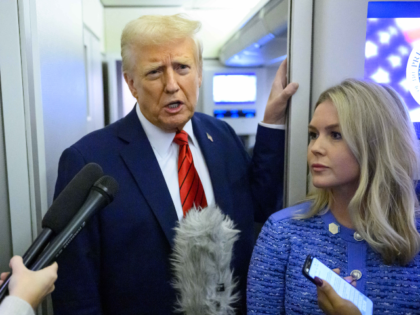
The media’s latest misfire on Karoline Leavitt isn’t just another “oops” moment—it’s a window into how quickly legacy outlets will weaponize a story when the facts don’t fit the narrative. By claiming the White House press secretary was aboard the return flight from Turkey while President Trump was secretly diverted, MS NOW handed its audience a tidy tale of chaos and secrecy, only to have it collapse under basic flight-manifest scrutiny. For Second Amendment advocates, the episode is a reminder that the same institutions quick to misreport travel logistics are equally eager to misreport the mechanics of lawful gun ownership, often treating every defensive-use statistic as an inconvenient footnote.
What makes the blunder especially telling is the speed with which the correction was buried. A single on-air clarification, followed by the usual pivot to the next talking point, leaves viewers none the wiser about how the original claim was sourced or why it mattered. That pattern mirrors coverage of everything from pistol braces to “ghost guns,” where dramatic headlines outrun the underlying statutes and court rulings. When the press treats policy details as optional, gun owners are left to do the homework themselves—reading ATF rulemakings, tracking litigation dockets, and countering the resulting misinformation at kitchen tables and gun-club meetings.
The takeaway for the 2A community is straightforward: treat every headline as provisional until primary documents surface. Whether the subject is a press secretary’s itinerary or the difference between a semiautomatic rifle and a machine gun, the same discipline applies—verify, contextualize, and push back. In an environment where legacy outlets still set the tempo of national debate, that habit is less about scoring points and more about preserving the factual ground on which rights are defended.


