

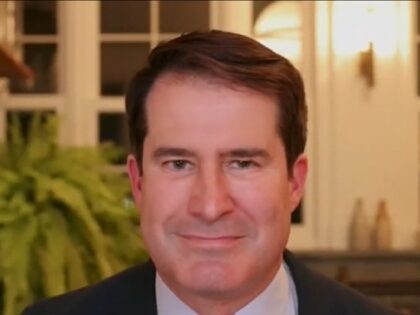
Rep. Seth Moulton’s candid admission on CNN that “a lot of Democrats” want not only to abolish ICE but to prosecute its agents should set off alarm bells for anyone who values the rule of law and the constitutional order that protects it. Moulton was responding to the controversy surrounding Democratic nominee Darializa Avila Chevalier, whose radical stance on immigration enforcement has drawn fire even from within her own party. By framing the debate as a question of whether the Democratic tent is “big enough,” Moulton inadvertently spotlighted how mainstream the idea of criminalizing federal law-enforcement officers has become on the left—an idea that, if realized, would chill every agency tasked with securing the border and upholding federal statutes.
For the Second Amendment community the stakes are straightforward: an administration willing to turn federal agents into political targets will not stop at immigration officers. The same legal architecture used to prosecute ICE could be repurposed against ATF agents who conduct lawful inspections, against U.S. Marshals executing warrants, or against any future federal presence at the border. Once the precedent is set that enforcing federal law is itself a crime, the political weaponization of the justice system becomes a matter of whose ox is being gored—an environment in which lawfully armed citizens and the industry that supplies them would face ever-shifting rules enforced by officials more concerned with scoring political points than upholding the Constitution.
The 2024 cycle is shaping up to be a referendum on whether federal law enforcement remains a neutral instrument of sovereignty or becomes a partisan cudgel. If Democrats normalize the notion that border agents deserve prosecution for doing their jobs, the same logic will eventually reach the enforcement of federal firearms statutes, import rules, and interstate commerce regulations. Law-abiding gun owners already navigate a patchwork of contradictory state and federal requirements; adding the threat of selective prosecution for the enforcers themselves would only deepen the legal uncertainty and chill the lawful exercise of Second Amendment rights.


