

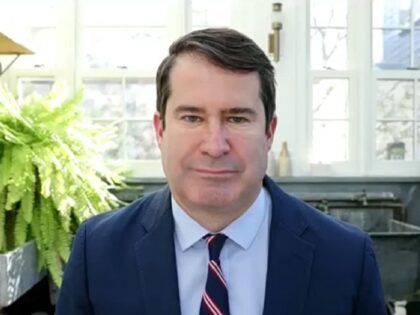
In a move that perfectly illustrates the weaponization of government institutions against political opponents, Rep. Seth Moulton’s attack on DNI nominee Jay Clayton reveals far more about the left’s priorities than about Clayton’s fitness for office. Moulton’s outrage stems not from any national security concern, but from Clayton’s criticism of the unauthorized leak of President Trump’s tax returns—an act Moulton defends as necessary to “expose fraud.” This is the same mindset that treats selective leaks, lawfare, and bureaucratic sabotage as legitimate tools when aimed at conservatives, while demanding ironclad secrecy and due process for everyone else. For the firearms community, this is a flashing red warning: the same people who cheered the weaponization of the IRS and intelligence apparatus against Trump are the ones who now want to control who gets to buy, sell, or even discuss firearms.
Jay Clayton’s willingness to call out the leak demonstrates a commitment to legal process over political vendettas, a quality desperately needed at the top of the intelligence community. The 2A community has watched for years as federal agencies have been repurposed into enforcement arms of progressive policy—whether through ATF rule-by-letter, FBI targeting of traditional Catholics and parents at school boards, or the quiet coordination between tech, media, and government to suppress dissent. Placing someone at DNI who refuses to treat leaks as heroic when they target conservatives is a direct check on that apparatus. Moulton’s framing—that criticizing an illegal disclosure makes Clayton “suspicious”—exposes the real litmus test: loyalty to the administrative state’s ability to punish its enemies without consequence.
The broader implication is that confirmation fights like this are no longer about qualifications; they are about whether any institution will remain neutral or simply become another lever of one-party control. Gun owners who have seen the Biden-era ATF, DOJ, and FBI tilt hard left understand that an intelligence community insulated from political weaponization is essential to preventing future coordinated attacks on the Second Amendment. Clayton’s stance against selective leaks is not a liability—it is evidence he may actually defend the rule of law rather than the narrative of the moment. That alone makes him a threat to the permanent bureaucracy Moulton is so eager to protect.


