

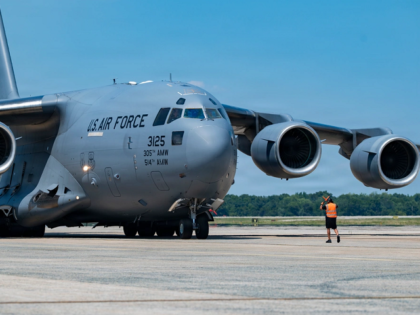
A U.S. Air Force C-17 Globemaster III touched down at Moscow’s Sheremetyevo Airport with its transponder broadcasting in the clear, an unusual move for a military transport in Russian airspace. Flight-tracking enthusiasts quickly noticed the aircraft’s call sign and route, igniting a flurry of online speculation about whether the flight carried diplomats, spare parts for the long-idle ISS crew-return vehicle, or something more sensitive. Whatever the cargo, the decision to fly “lights on” suggests Washington wanted Moscow—and the rest of the world—to know the plane was there, a calculated show of transparency that contrasts sharply with the Kremlin’s habitual secrecy around its own military movements.
For Second Amendment advocates, the episode is a pointed reminder that the same technological tools used by private citizens to monitor government aircraft can also serve as a check on federal overreach at home. ADS-B and other open-source trackers have already exposed everything from ATF raid staging areas to questionable Bureau of Land Management helicopter patterns in the American West. If hobbyists can pierce the secrecy surrounding a heavy-lift jet in downtown Moscow, they can certainly keep tabs on domestic agencies tempted to operate in the shadows. In an era when proposed rules on pistol braces, FRT triggers, and braced firearms often arrive without clear statutory footing, the ability of an armed citizenry to observe, record, and publicize government activity becomes another form of accountability—one fully protected by both the First and Second Amendments.


