

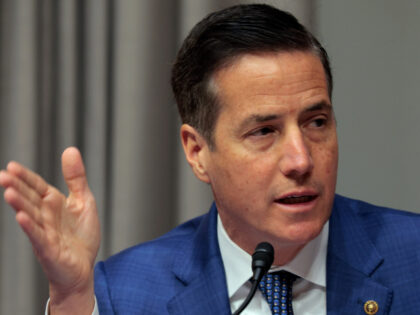
Sen. Bernie Moreno’s blunt assessment that Ohioans are “being systematically gassed” by smoke drifting from Canadian wildfires isn’t just rhetorical theater—it’s a stark reminder that government mismanagement of natural resources can turn the air itself into a weapon against citizens. While the fires rage north of the border, the real story lies in how decades of aggressive “green” policies, reduced logging, and curtailed prescribed burns have allowed fuel loads to explode, creating infernos that don’t respect international lines. For the 2A community, this isn’t merely an environmental footnote; it’s a live demonstration of what happens when centralized authorities prioritize ideology over practical stewardship, leaving ordinary people to choke on the consequences while being told to stay indoors and trust the experts.
The smoke blanketing the Midwest also underscores a deeper truth about self-reliance that gun owners have long understood: when systems fail—whether it’s supply chains, emergency services, or even breathable air—those who prepared are the ones who endure. Just as responsible citizens stockpile ammunition and train with their firearms because they refuse to outsource their security to distant bureaucracies, they must now consider air quality, filtration, and off-grid readiness as part of the same mindset. Moreno’s comments cut through the usual climate alarmism to highlight accountability; Canadian officials who embraced extreme conservation measures without balancing forest management now export their policy failures southward, proving once again that bad governance doesn’t stay contained.
For Second Amendment advocates, the episode serves as both warning and validation. It reinforces why vigilance against overreach matters—today it’s smoke advisories and school closures, tomorrow it could be further restrictions framed as “public health emergencies.” The same reflexive instinct that drives many to defend their right to keep and bear arms should extend to questioning narratives that demand citizens surrender autonomy in the name of crisis management. Moreno’s candor cuts against the grain of polite political discourse, but it echoes the core 2A principle that free people do not wait passively for permission or protection; they prepare, they speak plainly, and they hold those in power responsible when their decisions drift across borders and into our lungs.


