

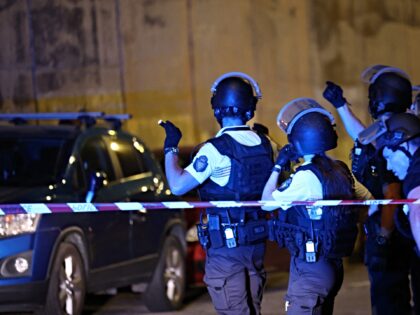
A parcel bomb detonated inside a Monaco apartment building on Monday, injuring Ukrainian oligarch Vadym Iermolaiev and at least two others, and the blast instantly reignited the long-running debate over whether private citizens should be left defenseless against sophisticated, targeted attacks. Iermolaiev, already under Ukrainian sanctions for his Russian business links, now finds himself on the receiving end of what appears to be a precision assassination attempt delivered through the postal system—an environment where metal detectors, armed security, and rapid police response are largely absent. For Second Amendment advocates, the incident underscores a simple truth: when governments cannot or will not guarantee personal safety, the ability to keep and bear arms becomes the last line of defense, not an optional accessory for sport shooters.
The broader implications stretch beyond Monaco’s gilded streets. Europe’s strict gun-control regimes leave high-net-worth individuals and ordinary citizens alike dependent on slow-moving state protection that often arrives after the damage is done; a single mailed device bypassed every layer of that supposed security. In contrast, jurisdictions that respect the right to armed self-defense give people the option to harden their own perimeters—whether through legal carry, fortified residences, or rapid-response training—without waiting for a bureaucrat’s permission slip. The Monaco blast is therefore less an isolated crime story and more a real-world reminder that disarmament policies shift the advantage squarely to those willing to break every law in pursuit of their targets.
For the 2A community, the takeaway is straightforward: every new restriction on lawful firearm ownership expands the tactical window for criminals and terrorists who already ignore such rules. Whether the next parcel arrives in Kyiv, Paris, or an American suburb, the principle remains unchanged—rights exercised by responsible citizens close the gap that centralized security cannot.


