

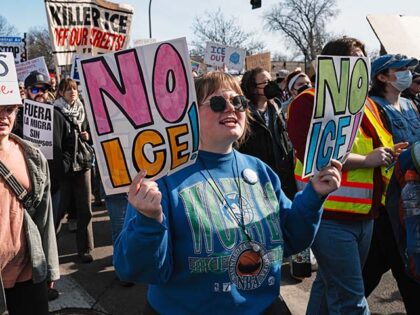
In the wake of federal enforcement actions in Minnesota, biotech entrepreneur John Wilson’s $29-million rental-assistance pledge is being hailed by some as humanitarian relief and by others as a calculated political counter-strike. Wilson’s fortune was built on federally regulated life-science patents and FDA approvals—industries that thrive under the very rule of law he now appears willing to subsidize around. By bankrolling housing for households whose legal status is under active federal review, he effectively converts private capital into a buffer that blunts the practical impact of ICE detainers and deportation orders. For Second Amendment advocates, the move crystallizes a recurring pattern: concentrated wealth can be weaponized to nullify statutes that Congress and the executive branch have enacted, creating pockets where federal immigration law is more theoretical than operational.
The deeper implication is structural. When billionaires underwrite the day-to-day costs of non-cooperation—rent, legal defense, even private security—they reduce the political price local officials pay for sanctuary policies. Sheriffs contemplating ICE detainer cooperation already face activist pressure and potential primary challenges; now they may also weigh the risk that aligned philanthropists will finance work-arounds that keep removable aliens in the community. That same philanthropic tool-kit can be trained on gun-control enclaves: lawfare nonprofits already litigate permitting schemes into oblivion, while donor-funded “violence interrupter” groups steer city budgets away from proactive policing. The lesson for the 2A community is that cultural and financial infrastructure matters as much as court victories; without parallel institutions ready to blunt hostile private funding, enforcement of constitutional carry or preemption statutes can be quietly eroded one rent check at a time.


